You’ve built a nice little app and want to share some of its functionality. Great. You extract some code into a
reusable library.
Now what?
Working within an SDK can be really fun and rewarding. It’s almost like working in an app. It is typically much
faster to compile and if you’re following the Unix philosophy of “doing one thing and doing it well” it is
typically easier and faster to reason about too. However, you don’t get that for free by simply extracting a module
from your app. Here are some tips I have learned about the differences between working in an app versus working on an
SDK.
I’m currently a Staff Engineer in my organisation and sit within what we call the Platform pillar. Sort of obviously, we
build the platforms that the rest of the business use to make the monies. This is how I like to think about platforms
and what it means to be a good platform.
Hello and Happy New Year! What did you get up to for New Year’s? Lockdown you say? Well let’s blow all that away and get
reading shall we? This post is about an Android library from Dropbox called Store
(Store 4 to be precise). It facilitates the repository pattern, has been rebuilt from the ground up using Kotlin
Coroutines, and is a great way to accelerate your app to becoming reactive. I’ve been using it for about a year in
production during their alpha phase and now that it has recently gone stable I want to share a post of how we use it.
This week I’ve been focussed on improving the biometric setup journey for the app that I work on. I’ve taken the
opportunity to add a little bit of fun / delight into the setup process and learn more about Animated Vector
Drawables in Android.
Can we just take a moment and recognise how much of a bitch Soo was. Always spoiling Sooty and Sweep’s fun. Cow.
This post aims to recap what I learned when working with Animated Vector Drawables (AVDs).
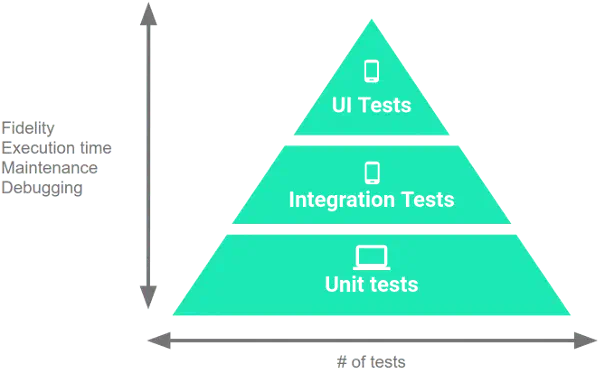
I have enjoyed testing as much as I have enjoyed developing. Sometimes more. Sometimes less. Just as it is immensely
satisfying when you watch something you have built run, or be used, by a user it is also immensely satisfying to watch
those little green ticks appear in your test reports. Here’s how I like to test with a focus on Android.